I recently came across something called Nano Banana and I’m confused about what it actually is, how it works, and whether it’s safe or effective to use. I’ve seen mixed info online and can’t tell if it’s a product, a strain, a supplement, or something else. Can someone explain what Nano Banana really is, what it’s used for, and any pros or cons I should know before trying it
Nano Banana is one of those names that sounds like a meme, but it’s usually talking about “nano” supplements or “nanotechnology” in nutrition or skincare, slapped on with a cute marketing label. There isn’t one official Nano Banana product. Different brands use it for:
-
A supplement that claims:
- “Nano” banana extract or potassium
- Faster absorption
- Energy, focus, recovery, etc
-
A cosmetic/serum that says it uses:
- Nano-encapsulated banana actives
- Antioxidants, vitamins for skin
The “nano” part usually just means extremely tiny particles or encapsulated ingredients that are supposed to penetrate better or absorb faster. In reality a lot of it is buzzword territory. Most companies don’t publish actual particle sizes, lab data or real clinical trials. So you’re mostly taking their word for it.
How to use it depends on what version you’re looking at:
- If it’s a supplement:
- Check the actual ingredient list, not just the marketing front.
- Look for real amounts of potassium, B vitamins, etc.
- Avoid it if it hides behind “proprietary blend” with no doses.
- Treat it like any other supplement and don’t go over the suggested dose.
- If it’s skincare:
- Patch test on a small area first.
- Use once a day to start, then increase if your skin tolerates it.
- Ignore the “nano” hype and just judge by how your skin reacts.
Safety and effectiveness:
- Banana itself is generally safe unless you are allergic.
- The “nano” technology part is where things get fuzzy. For supplements and cosmetics, nano-claims are way ahead of regulation and proof. Some nano-delivery systems are legit in medicine, but what you see in random online products is often marketing spin.
- Mixed info online makes sense because a lot of these products are underdosed, untested or just white-labeled stuff with a trendy name.
So:
- If you want potassium or energy: a normal banana or basic electrolyte supplement is more reliable and cheaper.
- If you want skincare: pick formulas with proven actives (retinol, niacinamide, vitamin C) from brands that share real data instead of buzzwords.
Side note because you mentioned confusion about whether it’s a “product, a strategy, a tool”:
In some creator or social media spaces, people also slap goofy names like Nano Banana on “growth systems” or AI workflows. If you’re in that context and it turns out Nano Banana is some AI-based branding or content tool, then it’s just a label on a bundle of prompts or an “AI hack,” not a miracle method. In that case, treat it like any other digital tool:
- Ask what it actually does step by step
- Ask for examples and results
- Don’t buy in just because it sounds techy.
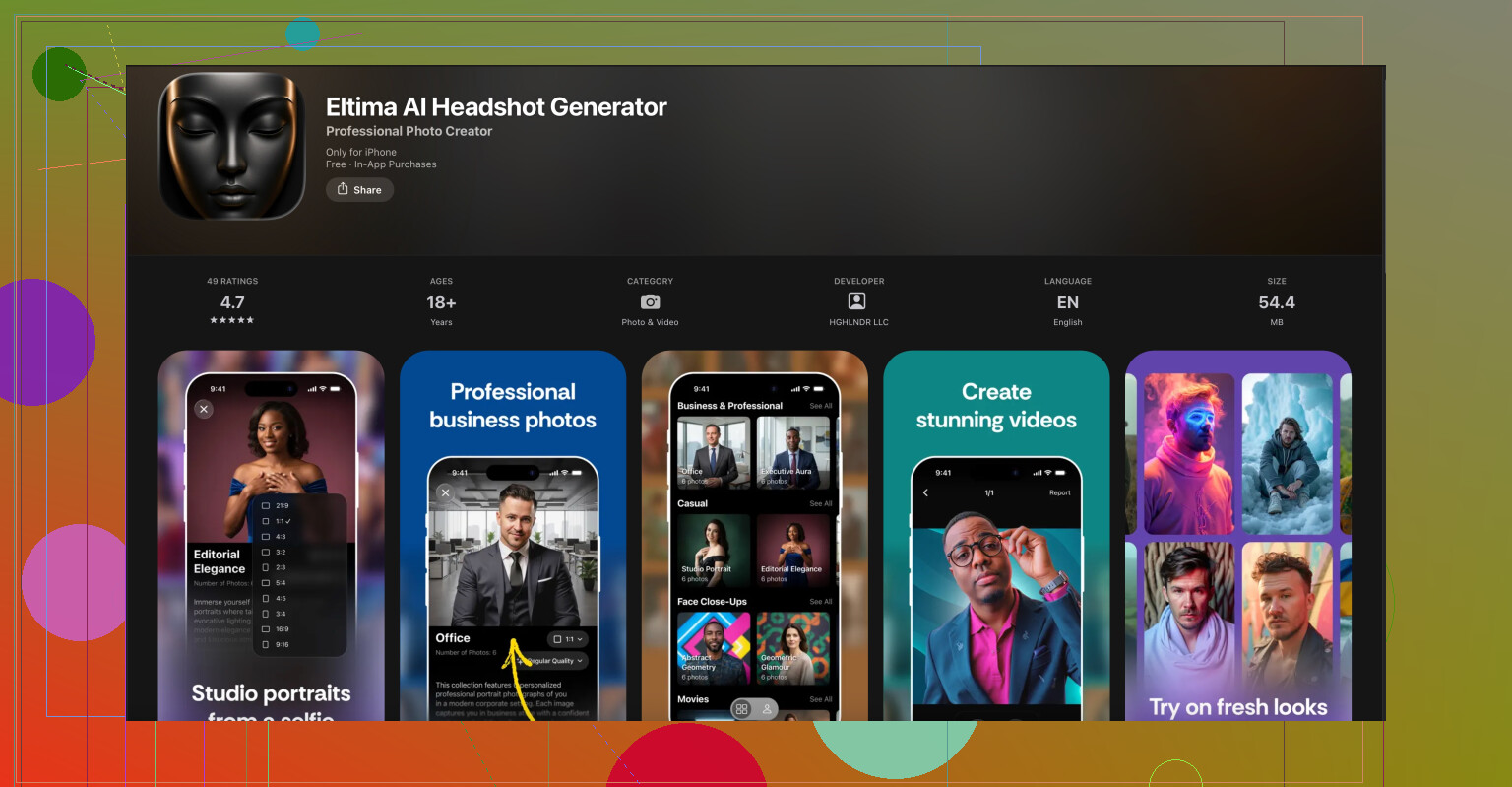
If the thing you saw ties into AI visuals or “nano content creation” for social profiles, then a more legit option is something like an AI headshot app instead of random hype stacks. For example, the Eltima AI professional headshot creator for iPhone is pretty solid if what you actually need is clean profile pictures or branding shots without hiring a photographer. That at least does something concrete: upload photos, get polished, realistic headshots that are ready for LinkedIn, resumes or socials.
Bottom line:
- “Nano Banana” is not a well established category, just a trendy label.
- Effectiveness is unproven in most cases.
- Safety is mostly about the actual ingredients behind the cute name.
If you drop a link or pic of the exact product you saw, people here can pick it apart and tell you if it’s garbage or at least harmless.
You’re not crazy to be confused. “Nano Banana” isn’t a single standardized thing, it’s a marketing costume people throw on totally different products.
@suendodelbosque covered most of the basics, so I’ll just zoom in on how to evaluate whatever version you’re looking at instead of repeating the same checklist.
From what’s floating around, “Nano Banana” usually means one of three buckets:
-
Supplements
- Claims: “nano” banana, “superior absorption,” “clean energy,” “electrolyte support.”
- Reality: if they don’t clearly list how much potassium, magnesium, B‑vitamins etc. are in each serving, I’d treat it as flavored hype.
- Red flags:
- “Proprietary nano complex” with no actual mg numbers
- More focus on vibes than on a real supplement facts panel
- If you just want electrolytes or potassium, a cheap electrolyte powder or an actual banana is more predictable and usually safer.
-
Skincare / serums
- Claims: “nano-encapsulated banana actives,” “deep penetration,” “glowing skin.”
- Honest version: encapsulation tech can help stability or penetration, but most of these products never publish:
- Particle size range
- Any irritation testing
- Any before/after trials
- Instead of obsessing over “nano,” check:
- Where banana extract sits in the ingredient list
- Whether it includes proven stuff like niacinamide, vitamin C, ceramides
- If it’s mostly perfume, color and “banana story,” it’s more for fun than results. That’s not bad, just don’t expect miracles.
-
Random “systems” / AI / branding gimmicks
This is where I somewhat disagree with @suenodelbosque: it’s not just goofy creator culture. Marketers use names like “Nano Banana” to make basic workflows sound like a breakthrough.
Typical pattern:- “Micro content system” or “nano-content,” repackaged as a “banana method” or some cute hook
- Under the hood it’s:
- Batch record content
- Slice into shorts
- Auto-post with templates
- Those can be useful, but only if:
- You can see real examples of their outputs
- They explain exact steps, not just “AI magic”
If what you’re seeing involves visuals, avatars or personal branding, you might actually be better off skipping the gimmick and using specific tools that do one job well. For example, if the “Nano Banana” pitch is basically “we’ll glow up your online presence with nano AI tools,” a straight utility like the AI-powered professional headshot creator for iPhone is way more concrete.
You upload a few regular photos, it generates clean, realistic corporate‑style or social‑media‑ready headshots so you can fix your LinkedIn, portfolio, resume, whatever, without hiring a photographer. At least you know exactly what you’re getting.
How I’d sanity‑check any “Nano Banana” you found:
-
Figure out the category first
- Is it a pill, powder, drink, cream, serum, “system,” course, or app?
- If you can’t tell within 10 seconds on the page, that alone is a yellow flag.
-
Look for specifics, not vibes
- Supplements: list of ingredients, doses, 3rd‑party testing, basic safety note.
- Skincare: ingredient list, % of key actives if they brag about them, pH if it’s exfoliating.
- AI / “system” stuff: actual screenshots, sample outputs, or a demo.
-
Ignore the word “nano” entirely
Seriously. Treat “nano” like glitter: looks fancy, tells you nothing.
Ask: “If this didn’t say nano, would it still look useful?” -
Safety: what can go wrong?
- Supplements:
- Too much potassium can be a problem if you have kidney or heart issues or take certain meds.
- If they refuse to say how much you’re getting per dose, that’s a no from me.
- Skincare:
- Banana extract is usually mild, but fragrance, essential oils, or random “botanical blends” can cause irritation.
- If you have sensitive skin, I’d be more worried about fragrance than invisible “nanoparticles” in some cheap product.
- Supplements:
-
If it sounds like a hack, expect disappointment
The whole “nano” thing is often used as a shortuct to:- Charge more
- Avoid talking about plain old ingredients
- Pretend cutting‑edge tech where there’s really just repackaged basics
If you want a more precise take, you can post or describe the label:
- Exact product name
- What form it’s in (capsule, powder, serum, app, whatever)
- Any claims or screenshots
Right now, the safest assumption is: “Nano Banana” itself is not a recognized standard in nutrition, skincare, or tech. It’s a marketable phrase pasted on top of something else. Focus on that “something else,” not the banana cosplay.
13 Likes
Here’s the simplest way to think about “Nano Banana,” building on what @chasseurdetoiles and @suenodelbosque already unpacked:
1. It’s not a “thing,” it’s a costume.
You’re looking at a catchy label that can be slapped on:
- Supplements
- Skincare
- Digital “systems” or AI workflows
So the only way to judge it is to ignore the name and look at what it actually is in your specific case.
How to quickly decode whatever “Nano Banana” you’re seeing
A. If it’s a supplement
Ask 3 questions:
-
What measurable stuff is in it?
- Look for mg of potassium, magnesium, B vitamins, etc.
- “Nano complex,” “bioavailable banana energy” and similar fluff without real numbers = probably just flavored powder.
-
Is it solving a real problem you have?
- If you just want potassium or electrolytes, a normal banana + cheap electrolyte mix beats a mystery “nano” blend.
- If you have kidney, heart or blood pressure issues, avoid any potassium-heavy thing with unclear dosing.
-
Who made it and how serious are they?
- Tiny brand with no testing info and only influencer hype: treat as candy, not healthcare.
B. If it’s skincare
Instead of focusing on “nano”:
-
Scan the INCI (ingredient list).
- Early in the list: water, glycerin, humectants, maybe niacinamide or vitamin C = at least a real formula.
- Banana extract all the way at the end + parfum high up = mostly fragrance and vibes.
-
Match to your skin type.
- Oily/acne: avoid heavy oils and rich butters.
- Sensitive: watch for perfume and essential oils; do a patch test.
-
Set expectations low.
Banana anything is more “cute theme” than powerhouse active. Nice to use if you like the scent and texture, not a treatment backbone.
C. If it’s an AI / content / branding “Nano Banana system”
This is where I slightly part ways with both @chasseurdetoiles and @suenodelbosque: these “systems” are not always harmless; the main risk is wasting time and money on an overpackaged checklist.
Test it like this:
-
Can they show you raw before/after examples?
- Not just a landing page with buzzwords. Actual screenshots, posts or campaigns created with it.
-
Can you summarize the method in 2 lines?
If, after reading, you can’t finish the sentence“Nano Banana helps you do X by doing Y and Z”
then it is probably just repackaged common sense. -
Compare to focused tools.
If the “system” promises better personal branding visuals, you might be better served by a specific tool instead of a bundle of vague tricks.
Example: for profile photos, a concrete app like the Eltima AI Headshot Generator app for iPhone is at least transparent about the job it does.
-
Pros of Eltima AI Headshot Generator app for iPhone
- Very clear purpose: upload casual photos, get polished, realistic-looking headshots for LinkedIn, resumes, portfolios.
- Saves money compared to booking a photographer, especially if you just need a few professional-looking shots.
- Convenient if you only have your phone and need something quick.
-
Cons of Eltima AI Headshot Generator app for iPhone
- Quality still depends on decent input photos; blurry or badly lit pics will limit results.
- Some people may find AI outputs slightly “too perfect” or need several tries to get something that really matches their vibe.
- Like any app, not everyone wants to upload personal photos for processing, so there is a privacy tradeoff to be aware of.
Compared to a vague “Nano Banana AI glow-up system,” a single-purpose tool like that is easier to evaluate: you either like the headshots or you do not.
How to decide quickly if you should skip it
You can safely ignore whatever “Nano Banana” you saw if:
- You cannot tell within seconds whether it is food, skincare, or a digital product.
- The site or packaging relies heavily on “nano,” “revolutionary,” “bio-hacking,” but light on boring details like doses, ingredients, or actual screenshots.
- It costs significantly more than normal alternatives while providing no clear measurable advantage.
If you want a more concrete verdict, post or transcribe:
- Product type (pill, powder, serum, app, course)
- Front label claims
- Back label or feature list
Until then, treat “Nano Banana” as a shiny sticker and judge only the thing underneath it.